Category: Drainage

Drainage

  • The domestic tranquillity of many households is increasingly being disrupted by a seemingly trivial yet significantly distressing issue – blocked kitchen drains. This widespread problem, often overlooked, is now gaining attention as it poses a serious threat to the hygiene and functionality of kitchens across the nation.

    Blocked kitchen drains are a common occurrence in most households. However, this issue has been on the rise recently, with more and more homeowners reporting clogged drains. The problem often manifests with water pooling around the drain, a foul smell, and, in severe cases, backflow of waste water.

    The causes of blocked drains are numerous and varied. They range from the accumulation of cooking grease and food particles to the inappropriate disposal of non-biodegradable items such as plastic wrappers and wet wipes. Additionally, the improper use of garbage disposals and the lack of regular drain maintenance also contribute to this issue.

    Handling a blocked drain can be an unpleasant task. It can lead to disruptions in daily routines, increased stress levels, and unexpected expenses. Moreover, blocked drains can also lead to more severe plumbing issues if not addressed promptly.

    One of the most significant impacts of blocked kitchen drains is the potential health risk they pose. Standing water in the sinks can become a breeding ground for bacteria and other harmful microorganisms. The foul smell emanating from blocked drains can also contribute to a poor living environment, leading to discomfort and potential health issues.

    In addition to health risks, blocked drains can also cause structural damage to homes. Persistent water leaks from blocked drains can weaken the structure of the house, leading to costly repairs. Moreover, the overflow of dirty water can damage kitchen flooring and cabinets, adding to the homeowner’s woes.

    Experts suggest several measures to prevent kitchen drains from getting blocked drains mansfield. These include proper disposal of food waste, avoiding pouring grease down the drain, and regular cleaning of the drain with suitable cleaning agents. Moreover, homeowners are advised to seek professional help at the first sign of a blocked drain to prevent further complications.

    Plumbing services across the country have reported an increase in calls related to blocked kitchen drains. Many of these services offer timely and effective solutions to unblock drains and also provide advice on preventing future blockages.

    However, despite the availability of professional services, the responsibility of preventing drain blockages primarily lies with the homeowners. Simple practices such as scraping plates before washing them, not disposing of oil and fat down the drain, and using sink strainers can go a long way in preventing drain blockages.

    The issue of blocked kitchen drains is not just a domestic problem but also an environmental concern. The disposal of food waste and non-biodegradable items down the drain can contribute to the blockage of municipal sewer systems, leading to environmental pollution. Therefore, maintaining clean kitchen drains is not only beneficial for homeowners but also crucial for the environment.

    In conclusion, blocked kitchen drains are a growing domestic problem that requires immediate attention. While professional help is available, preventative measures and responsible disposal of waste can significantly reduce the occurrence of this issue. As responsible citizens, it is our duty to ensure the cleanliness of our drains, thereby contributing to a healthier and cleaner environment.
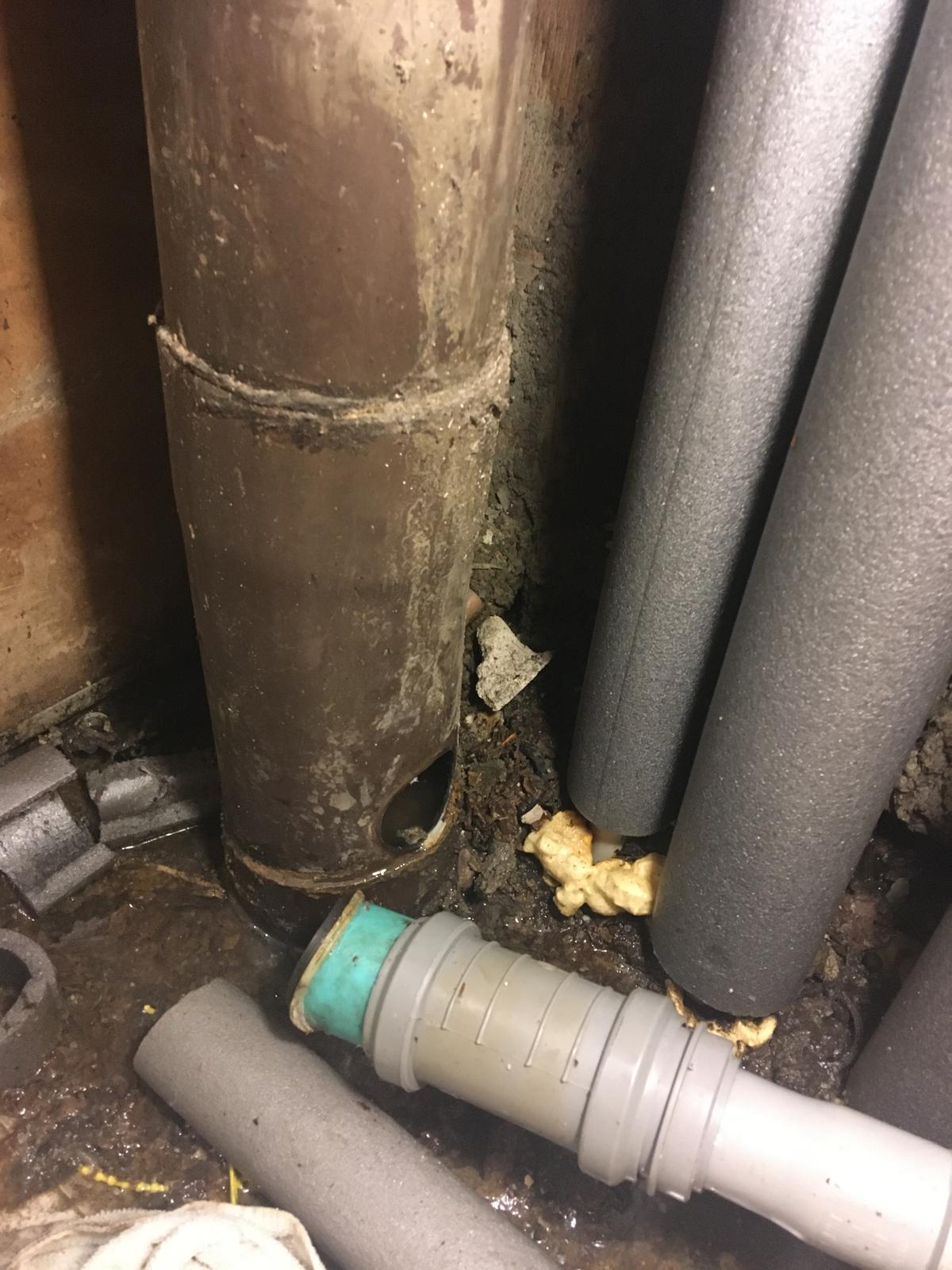
  • Clogged drains are a common household problem that can cause significant inconvenience. In the kitchen, the problem becomes more prevalent due to the disposal of food waste, grease, and other substances that can easily block the drain. This article provides a comprehensive guide on how to unblock kitchen drains effectively.

    First, it is crucial to understand why kitchen drains get blocked. The primary reason is the disposal of inappropriate materials down the drain. This includes food particles, cooking oils, grease, and soap scum. Over time, these substances build up on the inner walls of the pipes, narrowing the pathway and eventually leading to a blockage.

    Another reason for blocked kitchen drains is the lack of regular maintenance. Without frequent cleaning, the build-up of substances in the drain pipes can become too severe to clear without professional help. Therefore, regular maintenance is key to preventing blockages.

    Now, let’s delve into the process of unblocking a kitchen drain. There are several methods you can use, depending on the severity of the blockage.

    1. Boiling Water: This is the simplest and quickest method for minor blockages. Boil a kettle of water and slowly pour it down the drain in two or three stages, allowing the hot water to work for several seconds in between each pour. The heat can break down the substances causing the blockage, allowing them to be washed away.
    2. Plunger: If boiling water doesn’t work, a plunger can be used. This tool creates a strong suction that can dislodge the blockage and push it down the pipe. It’s important to ensure a tight seal around the drain before you start plunging for the best results.
    3. Drain Snake or Hand Auger: For more stubborn blockages, a drain snake or hand auger can be used. This tool is a long flexible metal rod that is pushed down the drain to dislodge the blockage. It can reach deeper into the pipe than a plunger.
    4. Chemical Drain Cleaner: If the blockage still persists, a chemical drain cleaner can be used as a last resort. These products contain chemicals that dissolve the substances causing the blockage. However, they should be used sparingly as they can damage the pipes if used excessively.

    Prevention is always better than cure, and this is true for drain blockages as well. Here are some tips to prevent kitchen drains from getting blocked drains mansfield:

    • Avoid disposing of grease, oils, and food particles down the drain. Instead, wipe greasy pans with a paper towel before washing and dispose of it in the trash.
    • Use a sink strainer to catch food particles and other substances that could potentially block the drain.
    • Run hot water down the drain after each use to help keep it clear.
    • Regularly clean your drain with a mixture of vinegar and baking soda. This natural solution can help break down any potential blockages and keep your drain smelling fresh.

    In conclusion, unblocking a kitchen drain involves understanding the cause of the blockage, using the right tools and techniques to clear it, and taking preventative measures to avoid future blockages. While minor blockages can be handled at home, more severe blockages may require professional help. Regular maintenance and proper disposal of waste can significantly reduce the risk of kitchen drain blockages.